
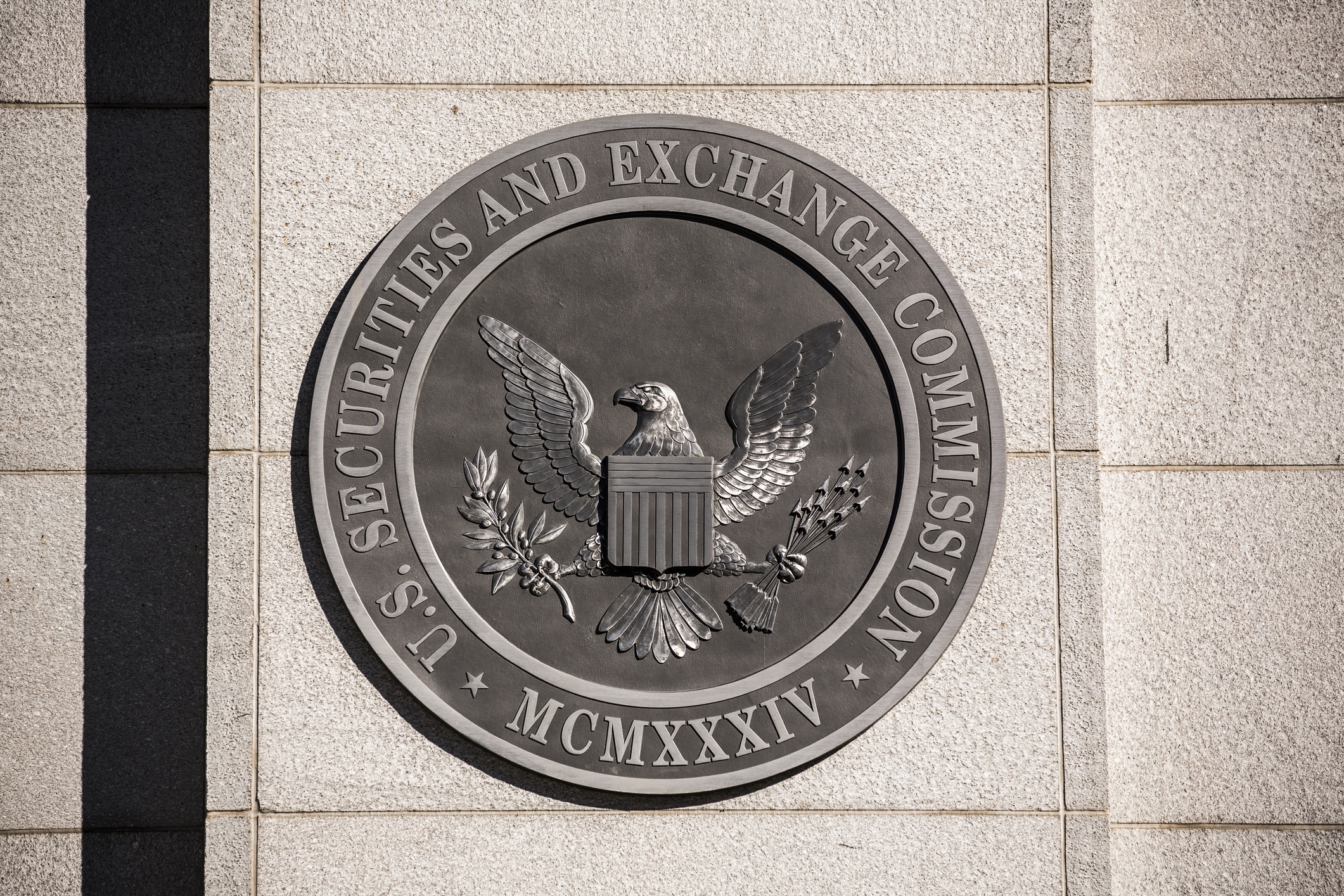
The Securities and Exchange Commission (SEC) is considering easing its “Pay-to-Play” restrictions on campaign contributions by pension asset managers. This change could jeopardize the retirement security of millions of public employees.
The regulation exists for a reason; maintaining it reassures the public that safeguards are in place to protect public pension security and prevent undue influence.
The SEC first proposed a pay-to-play rule in 1999 and adopted Rule 206(4)-5 in 2010 to prevent investment advisers from using campaign contributions to influence officials who can affect the selection or retention of firms managing public assets. The rule does not prohibit political contributions. Instead, certain covered contributions by an adviser or covered associate trigger a two-year restriction on the adviser receiving compensation from the affected government client. This restriction helps deter arrangements that can compromise investment decisions and cost pension funds millions of dollars.
According to the SEC’s complaint, in 2006, investment executive Steven Rattner arranged $50,000 in contributions to New York Comptroller Alan Hevesi’s reelection campaign after his firm secured a $100 million pension investment. The fund committed another $50 million a month later, raising the total to $150 million.
Organized labor recognized the dangers of this problem at the time. As the SEC considered the rule, AFSCME—representing public employees and retirees whose retirement savings were at stake—put its position plainly: “AFSCME fully supports a ban on so-called Pay-to-Play.” The union argued that pension systems needed safeguards against investment firms exercising undue influence over pension fiduciaries and urged pension funds to adopt their own protections if federal regulators failed to act.
The purpose of pension plans is to provide retirement security for public servants, retirees, and their families, not to buy asset managers’ houses in the Hamptons. Pay-to-Play schemes exploit our hard-earned deferred compensation, corrupt investment decisions, and threaten a plan’s long-term financial health. The commonsense SEC rule is a vital safeguard that prioritizes merit and transparency over financial influence, reassuring public workers and retirees that their interests come first.
Imagine how this could play out in Ohio, where gubernatorial candidate Vivek Ramaswamy—co-founder of Strive, an anti-ESG asset-management firm—is running. He also was an original co-chair of DOGE, with former trillionaire Elon Musk, which decimated the federal workforce, destroyed much of the federal regulatory agencies, and reintroduced patronage across the civil service while firing thousands of Black workers.
Regardless of opinions about Ramaswamy or Strive, this situation shows why campaign fundraising and public investment contracts should remain separate. If the rule wasn’t in place, Strive or Apollo employees could contribute huge sums to Ramaswamy, confident he would likely return the favor by awarding contracts to his former firm once in office. The potential for an actual or perceived conflict of interest is precisely why the rule exists.
Now, under the SEC “Pay-to-Play Reform” initiative, the Division of Investment Management is contemplating amendments to Rule 206(4)-5, thereby risking the erosion of vital safeguards that protect public pension investments from undue influence peddling and undermining confidence in their integrity.

In 2009, the year before Pay-to-Play Rule 206(4)-5 began, ProPublica reported on a Pay-to-Play scheme at one of New York’s largest pension funds. According to the report, former New York Attorney General Andrew Cuomo investigated “the role of so-called placement agents in pension fund deals. Placement agents act as middlemen who connect investment firms seeking money from pension funds with the pension staff and board members who make investment decisions. Finders’ fees paid to placement agents are legal as long as they are in exchange for a legitimate service, like help putting together pitch materials.”
It was alleged that pension chief investment officer David Loglisci encouraged private-equity firms and hedge funds to pay kickbacks to a fixer named Hank Morris. Morris and Loglisci were later indicted. There are examples of tweaks that could be made in the rule.
Many of the violations involved candidates like Minnesota Governor Tim Walz during his short-lived bid for vice president and former Ohio Governor John Kasich in his ill-fated presidential campaign. In the Walz case, an adviser at Wayzata Partners near Lake Minnetonka, which also manages investments for the University of Minnesota, was dinged for contributing to the Harris-Walz campaign because the governor plays a role in recommending university regents.
As even a fierce public advocate would acknowledge, some situations are clearly not intentional and are certainly not intentional Pay-to-Play maneuvers. But let’s not let several self-reported cases over the last decade mischaracterize its importance.
What would solve this is an official transparent registry of both agents for asset managers and recordkeepers who seek business from public pensions. This would allow for easy matching through APIs between public political contribution data and key players in the financial services industry. Such transparency would mirror lobbyist filings and contribution limits enforced in nearly every state, helping to prevent conflicts of interest and maintain public trust.
Union members and affiliates should focus on one key idea: The suggestion that the world’s largest, most profitable and most sophisticated investment firms – managing billions or even trillions of dollars – cannot comply with commonsense rules governing campaign contributions strains logic. Perhaps they should hire more people.
If these firms want the business of the $6 trillion in public pension assets, admitting they’re not good at Excel isn’t very reassuring.
Requiring firms to track contributions made by employees who could help influence—or benefit from—substantial public contracts is entirely reasonable. If these firms can manage billions in public assets, they can manage a compliance program. Every school board campaign in the nation somehow manages.
Pension trustees and plan administrators should choose investment managers based on performance, fees, risk, and service—not campaign contributions. The SEC recognized that principle when it adopted the rule in 2010. The scandals that prompted the rule remain possible today. The Commission ought to maintain these protections and reject any changes that weaken them, so workers’ retirement savings stay protected.
Public pensions are the nest egg of millions of workers and retirees. The SEC has a responsibility to protect the integrity of the markets in which those assets are invested—not weaken safeguards for the benefit of investment firms or election campaign funds. Workers’ retirement security must come first.